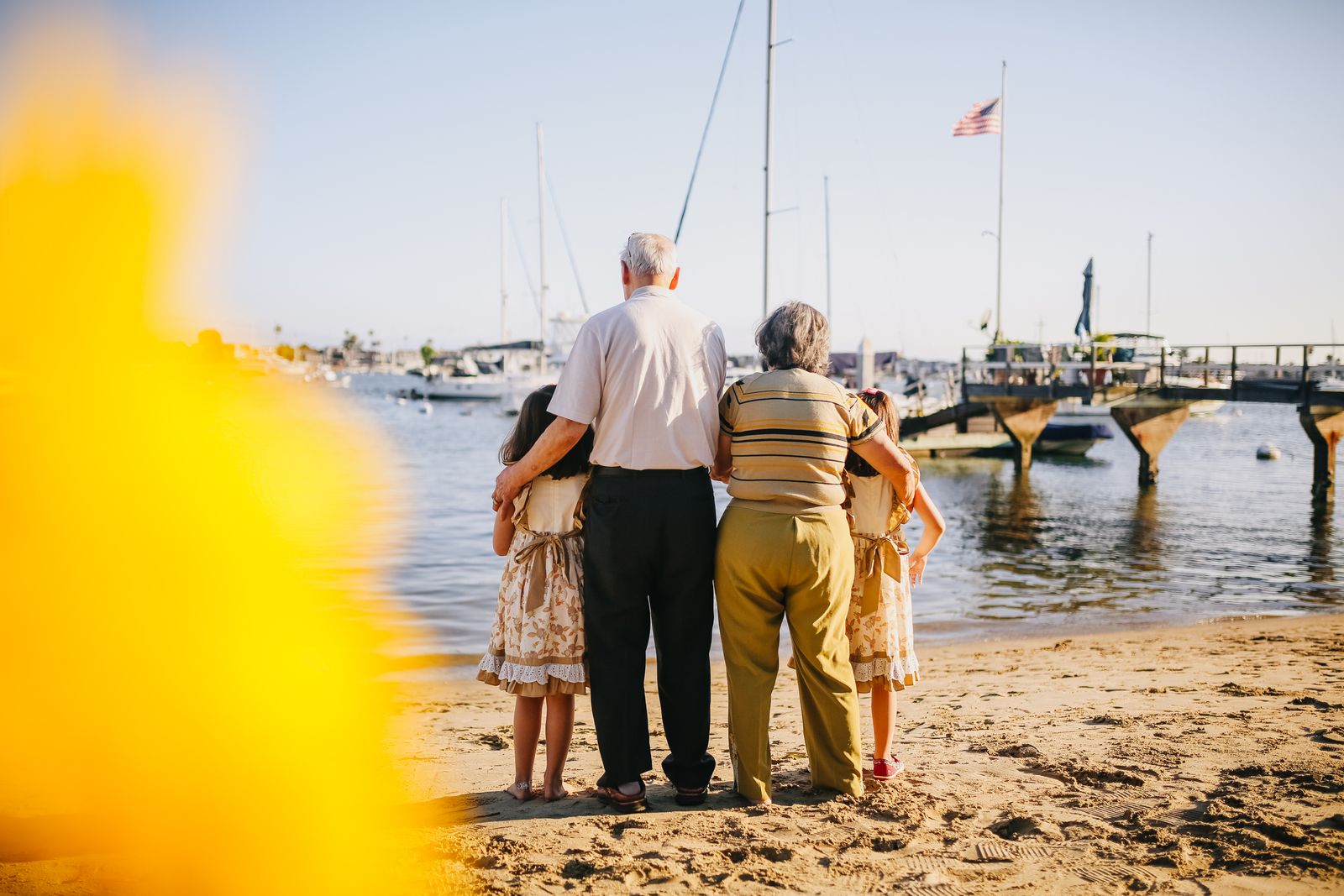
If you’re the one running the group chat poll, comparing flight prices for eight people, and quietly wondering whether Grandpa can handle a full day of walking, welcome to the job nobody applied for. Good multigenerational family trip ideas have to solve for very different bodies at once: a toddler who naps hard at 1 p.m., grandparents who move slower than they used to, and parents just trying to keep everyone fed and un-cranky, themselves included.
The good news is that some trip formats just work better than others once the group spans two generations or three. We rounded up eight, each one picked because it doesn’t force everybody onto the same schedule.
Why 2026 Is Shaping Up to Be the Year of the Big Group Trip
Multigenerational travel isn’t a niche idea anymore. It’s the default: Campspot’s 2026 Travel Trend Report, based on a survey of more than 1,600 travelers taken in June 2025, found that 85% of families are likely to plan a multigenerational trip in 2026, with millennials the most eager generation at 73%.
That number isn’t a fluke either. Separate UK search data from Journeyscape shows searches for “multigenerational holiday” rose 142% between 2021-22 and 2024-25, which tracks with what a lot of travel agents have been saying out loud for a couple of years now.
8 Multigenerational Family Trip Ideas That Actually Work
1. The Beach House or Villa Rental (Everyone Gets a Door)
A rented house beats a hotel block for one big reason: everyone gets a door to close. Vrbo requires every listing to be a full, private home with guest-controlled locks, not a shared room in someone else’s place. Look for single-story layouts or a ground-floor bedroom, so stairs don’t become a problem by day three.
Multiple primary suites (two or more bedrooms with their own attached bathroom) matter more than square footage. That’s the difference between a calm morning and eight people fighting over one shower at 7 a.m. Build in one shared nap or quiet hour a day no matter what else is on the itinerary.
Split the cost by bedroom, not by headcount. It’s a small fix for a real problem: nobody wants to be the one who brings up money first, and grandparents often end up quietly covering more than their share unless someone does the math out loud.
2. The National Park Lodge (Built for Slow Mornings)
National park lodges build in the slow pace multigenerational trips need, mostly because nobody’s in a hurry to leave the porch. Lake Yellowstone Hotel & Cabins has 13 wheelchair-accessible rooms inside the main hotel, plus several accessible cabins nearby with roll-in showers and grab bars. That’s a real answer to “can Grandma get around here” before anyone books a flight.
Pick a lodge over a backcountry campsite and the group gets short walks to overlooks instead of six-mile hikes. Toddlers nap in the afternoon while grandparents read on the same porch, then everyone regroups for dinner.
Book connecting rooms or two cabins near each other instead of one big shared unit. It keeps nap schedules and bedtimes from colliding, which, with a toddler in the mix, is not a small thing.
3. The All-Inclusive Resort With a Real Kids’ Club (and a Real Adults’ Corner)
The right all-inclusive resort solves the “who’s watching the kids” question without anyone actually watching the kids all week. Dreams Resorts runs its Explorer’s Club for ages 3 to 12 from 9 a.m. to 10 p.m., staffed by supervised counselors, while a separate adults-only infinity pool sits a short walk away. Everyone gets a program built for their day, not a compromise.
Ground-level rooms or a resort with working elevators matter more than the view once anyone in the group uses a cane. Check this before booking, not after arrival with luggage in hand.
Kids’ club hours still mean a counselor is doing the actual watching, so ask about staff ratios before signing the waiver. Book two connecting rooms instead of one suite with a pull-out sofa, so toddlers go down for the night without waking anyone playing cards at 9 p.m.
4. The Classic Cruise (Still the Multi-Gen MVP)
A cruise remains the multigenerational default for a reason: everyone unpacks once and the ship comes to them. A three- to five-night Disney Cruise Line sailing to the Caribbean or Bahamas runs about $1,300 to $1,900 per person for an inside stateroom in 2026, meals included.
Ships this size have elevators everywhere and wide, flat hallways, so mobility issues that would end a walking-tour vacation barely register. Sea days build in the actual rest window: nobody has to suggest a nap, the ship just hands everyone one.
Book connecting cabins instead of one family suite; separate rooms mean separate bedtimes. If a stateroom has a balcony and a toddler is along, keep that door locked and supervise balcony time directly, same as at home. Adults-only spots like Palo and Remy give grandparents a date-night dinner with no kids’ menu in sight.
5. The Lake Cabin Week
A week at a lake cabin gives the group a home base with a dock instead of a schedule. Four-bedroom cabins at Lake of the Ozarks that sleep around 10 people, with a private dock and boat slip, run roughly $300 to $500 a night in 2026.
One-story cabins near the water cut out stairs for anyone unsteady on their feet. Days can be as loose as a porch and a deck of cards or as busy as a pontoon rental, depending on who wakes up first.
Life vests are non-negotiable for every kid near that dock, with an adult always doing the actual watching, not a floatie. Separate cabins or a bunk room away from the main house means grandparents get quiet after 9 p.m. even when the cousins don’t.
6. The City Trip, Hop-On-Hop-Off Style
A city trip works for three generations when nobody has to power-walk between museums. Big Bus’s hop-on-hop-off tours in Chicago run about $39 for an adult ticket in 2026, with a discounted rate for kids, and the whole point is that you can hop off, rest, and catch the next bus later.
Pick a route with step-free buses and a hotel within a few blocks of a stop, so the walk from bed to bus stays short. That one choice decides whether the day feels doable or exhausting for anyone using a cane.
Plan one anchor activity a day, not four, and let the afternoon stay optional. Two connecting hotel rooms beat one room with a rollaway every time, once bedtime hits.
7. The Dude Ranch
A dude ranch sounds like a hard sell for grandparents until they see the porch rocking chairs. C Lazy U Ranch in Granby, Colorado, has a five-bedroom lodge that sleeps up to 11, and all-inclusive group rates run about $470 to $684 per person, per night, covering meals and horseback riding.
Riding is optional, not mandatory, so anyone who’d rather sit by the fire pit isn’t stuck arguing about it. Most ranch grounds are flat, which matters more than the horses do for anyone with limited mobility.
A multi-bedroom lodge, not one big cabin, keeps toddler bedtime separate from the adults’ porch hour. Around any pond, corral, or fire pit, an adult stays within arm’s reach of the youngest kids, full stop.
8. The Guided Multigenerational Tour
A fully guided tour takes the planning entirely off your plate, which is worth paying for at least once. Tauck Bridges builds its family trips for travelers ages 8 to 88 and has run them since 2003, with meals and most activities priced into one upfront number, guide included.
A guide who already knows which routes have stairs and which have ramps saves the group from finding out the hard way. Itineraries build in a rest afternoon most days, so nobody has to be the one who suggests skipping the next stop.
Rooms are booked individually, not as one shared unit, so everyone gets their own space at the end of the day. That one upfront price also sidesteps the cost-splitting conversation entirely, which alone might be worth the premium for some families.
The One Thing That Wrecks Multigenerational Trips
Nearly every source on this topic lands on the same mistake: over-scheduling shared time. AARP’s own reporting on multigenerational trip mishaps points to itineraries stacked with early mornings and back-to-back stops as the fastest way to turn a good trip into a mutiny by day three.
The fix isn’t complicated. Plan one shared anchor activity a day and leave the rest optional; a toddler who skips the afternoon hike for pool time and a grandparent who skips the pool for a nap are both having a good trip, they just don’t have to be having the same one.
FAQ: Multigenerational Family Trip Questions
What is a multigenerational family trip?
It’s a trip where at least three generations, grandparents down to grandkids, travel and share lodging or a home base for at least part of the time. It doesn’t require everyone doing everything together the whole trip.
How do you split costs fairly on a multigenerational trip?
Most families split by bedroom or by adult rather than evenly by headcount, since a family of four uses more space and food than one grandparent. Deciding this out loud before booking, not after the credit card statement shows up, heads off the awkward math nobody wants to do in front of everyone.
How far in advance should you book a multigenerational trip?
For cruises, resorts, and guided tours, 9 to 12 months out tends to get better connecting-room and cabin availability. Lake cabins and beach rentals in popular spots for peak summer weeks can book up even earlier than that.
What if a grandparent has mobility issues?
Ask about elevators and step-free routes before booking, and confirm roll-in showers separately if anyone in the group uses a wheelchair. Lodges, ships, and resorts with ADA-designated rooms, like Lake Yellowstone Hotel’s 13 accessible rooms, usually publish these details online so you can check before you commit.



Leave a Reply